
MUMBAI MONSOON FLOODING
Mumbai, Maharashtra · 26–27 July 2005; recurring monsoon risk
Extreme rainfall overwhelmed Mumbai's drainage, transport and emergency systems, exposing how infrastructure, tides and urban density can combine into a city-wide flood emergency.
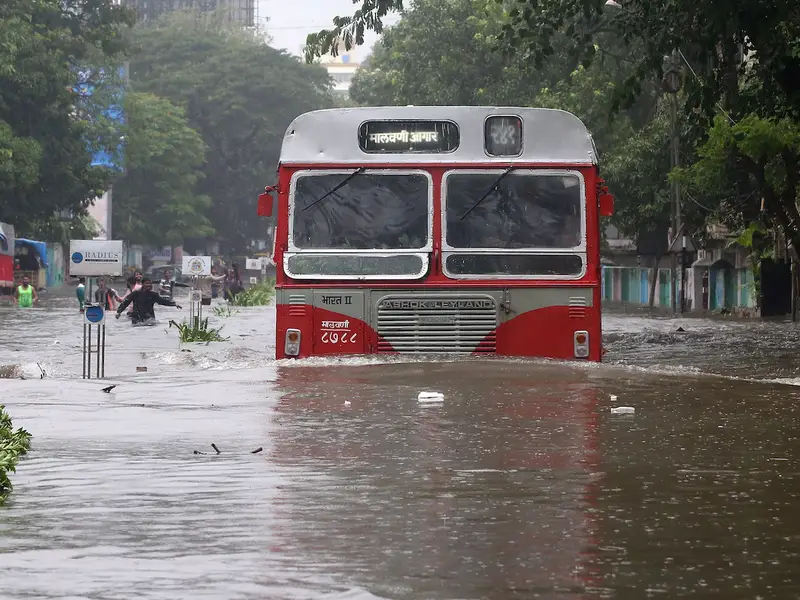
WHAT HAPPENED
LOCATION
Mumbai, Maharashtra
TIMELINE
26–27 July 2005; recurring monsoon risk
INCIDENT TYPE
Urban stormwater flooding
SCALE
The source records approximately 944 mm of rainfall in around 24 hours and roughly 1,094 fatalities.
CIRCUMSTANCES
Extreme rainfall coincided with limitations in drainage capacity, tidal conditions and reduced natural flood buffers.
WHAT MADE THE RESPONSE DIFFICULT?
01
DRAINAGE CAPACITY
Infrastructure could not cope with the rainfall intensity.
02
TIDAL BACKFLOW
Drainage was further constrained by high tide.
03
URBAN ACCESS
Flooding immobilised transport across dense parts of the city.
04
EARLY WARNING
A rainfall-and-tide-linked public evacuation system was limited.
05
RECURRING EXPOSURE
The same underlying risks continue during severe monsoon events.
THE OPERATIONAL LESSON
— 01
INFRASTRUCTURE IS PART OF PREPAREDNESS
Response agencies cannot compensate indefinitely for structural flood vulnerabilities.
— 02
USE WEATHER AND TIDE TOGETHER
Urban flood warning must combine rainfall forecasts with tidal conditions.
— 03
PREPARE WARD BY WARD
Local teams and resources are essential when city-wide access collapses.
— 04
MONSOON READINESS MUST BE REHEARSED
Known seasonal risk allows preparation before every monsoon.
WHAT CAPABILITY CAN STRENGTHEN RESPONSE?
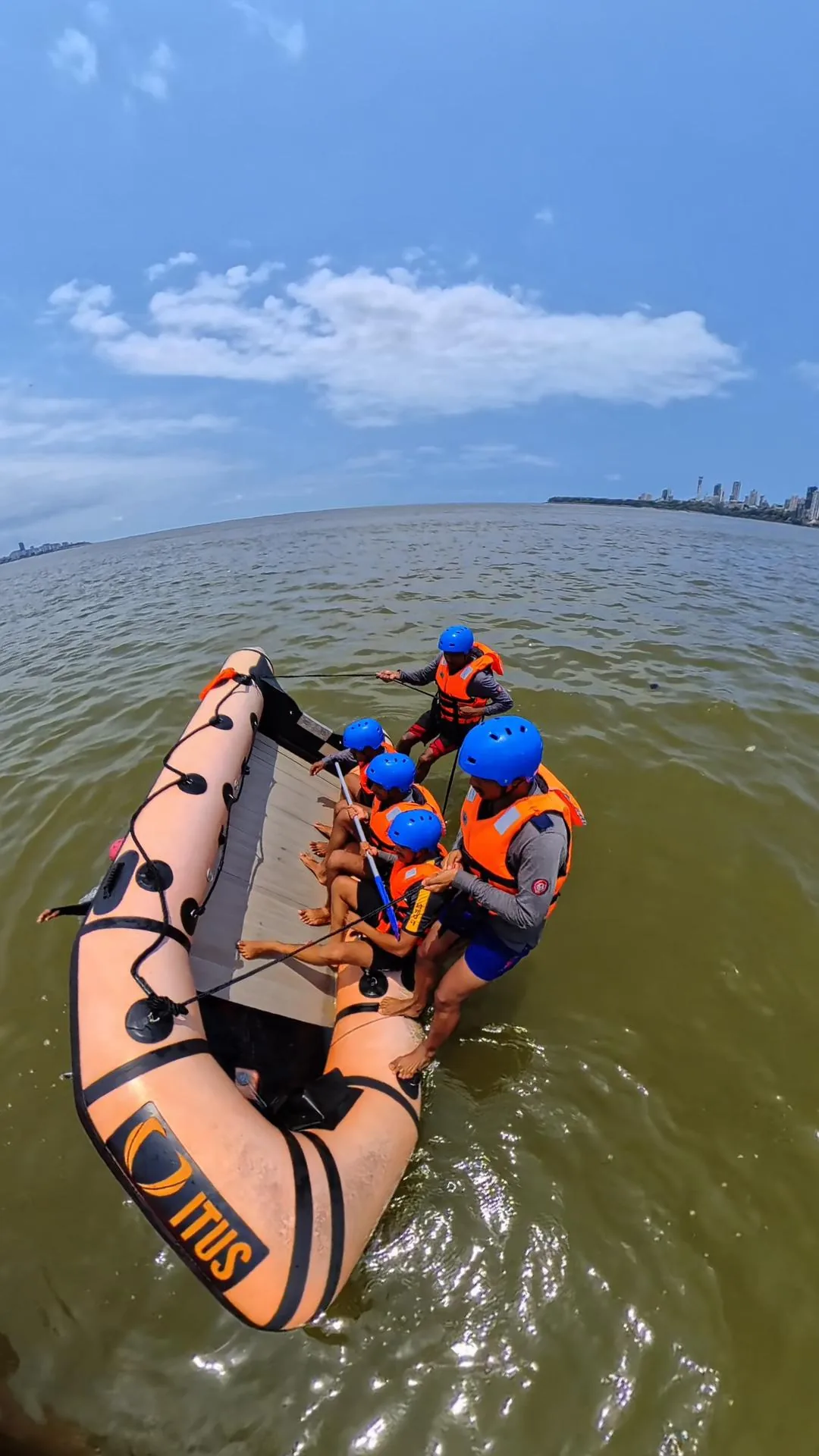
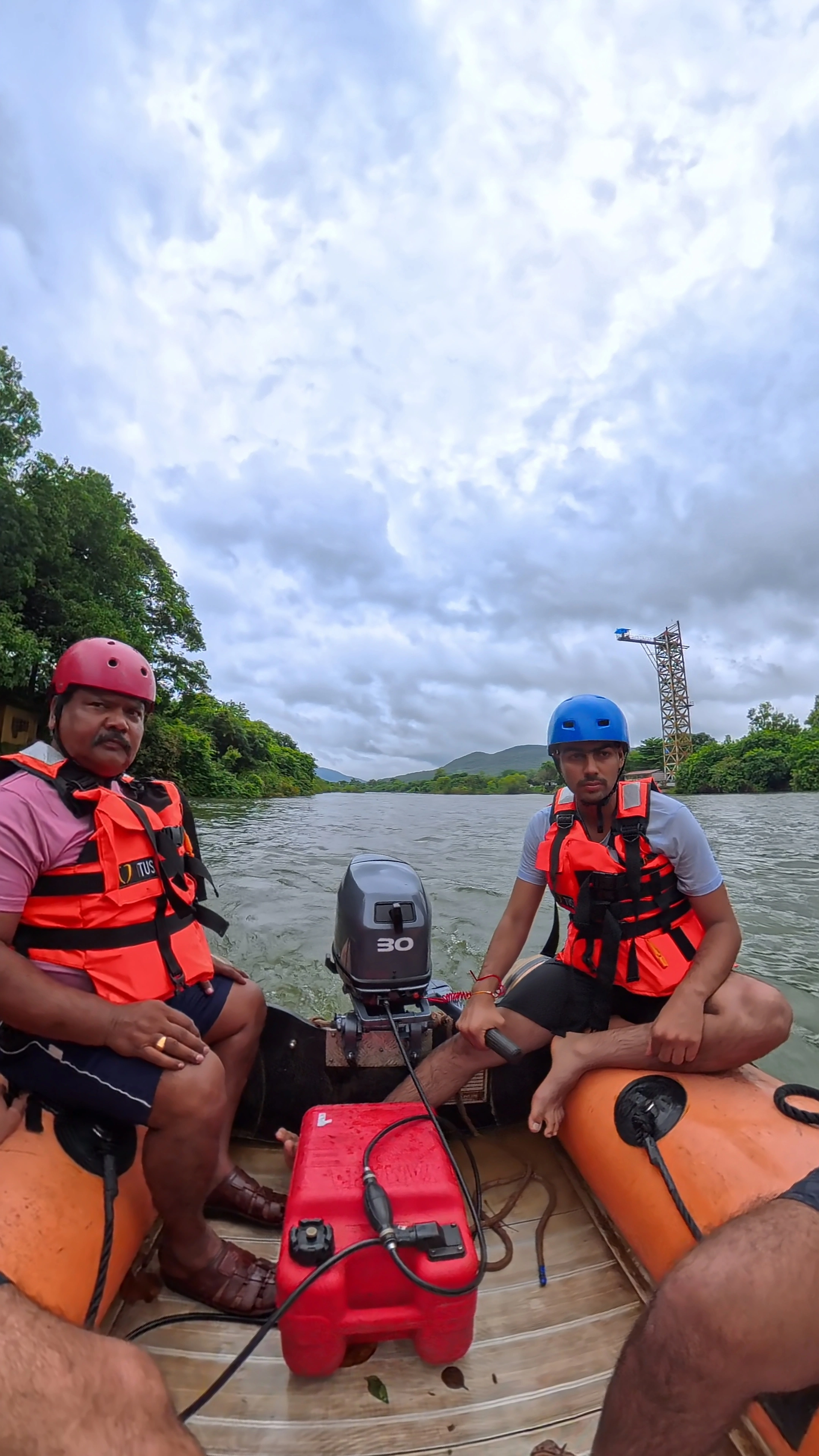
Urban flood rescue
Swift-water rescue
Boat operations
Incident command
Public warning
Evacuation
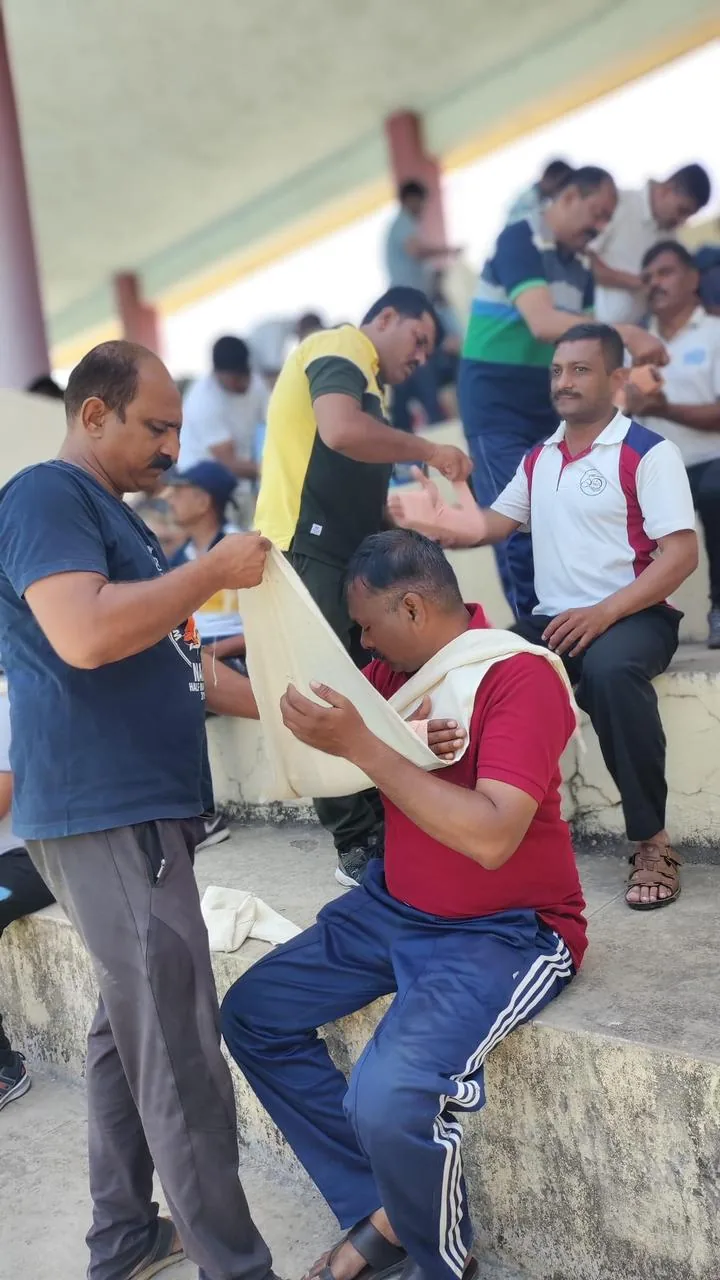
Medical response
Communications resilience
3 THINGS TO REMEMBER
01
PLAN FOR RECURRING RISK
Known seasonal hazards should drive annual preparedness.
02
LINK WARNING TO WEATHER AND TIDE
Forecasts must translate into location-specific action.
03
KEEP LOCAL RESCUE CAPABILITY READY
Local teams are critical when city-wide access fails.
SOURCES & REFERENCE NOTE
Prepared from the case-study source provided in this project. Re-verify incident figures and publication-sensitive claims before final public release.