KERALA FLOODS
Kerala · August 2018
Unprecedented monsoon rainfall triggered the worst flooding Kerala had experienced in nearly a century, displacing over a million people and testing every element of large-scale disaster response.
WHAT HAPPENED
LOCATION
Kerala, South India — affecting all 14 districts
TIMELINE
August 2018, with the heaviest rainfall and dam releases between 15–17 August
INCIDENT TYPE
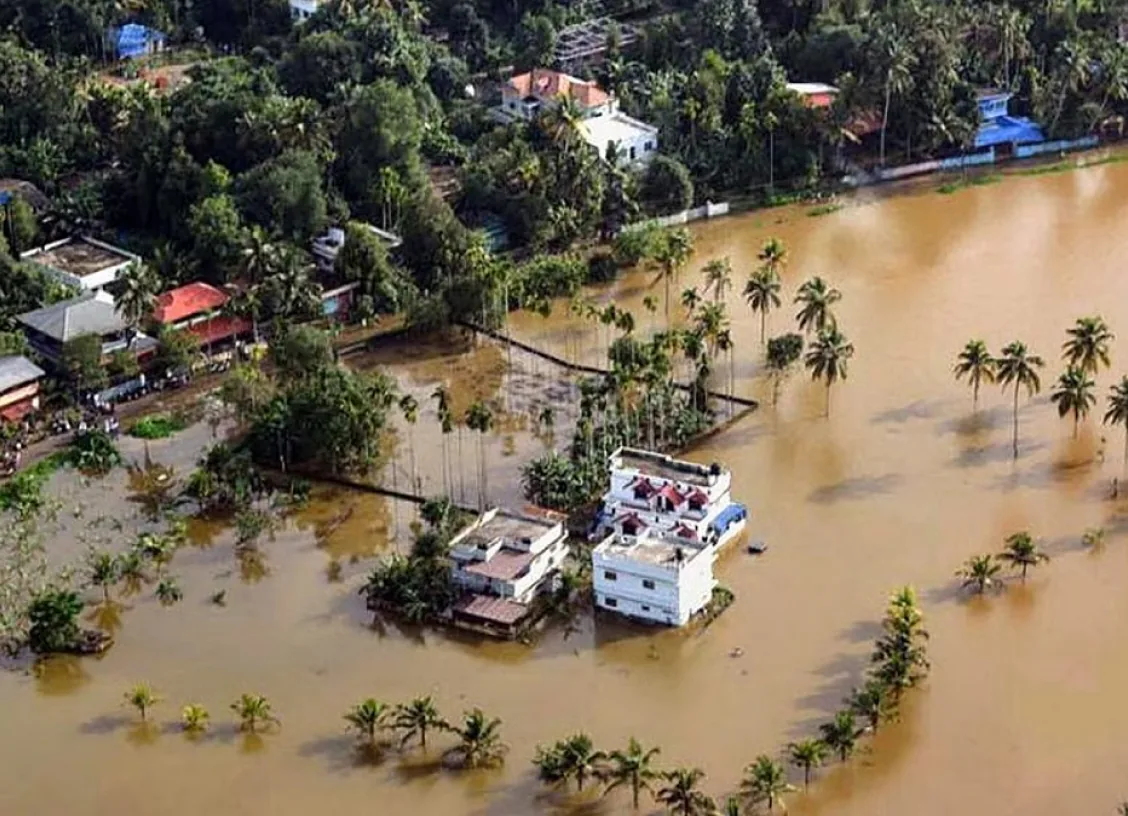
Catastrophic riverine and urban flooding caused by extreme monsoon rainfall combined with reservoir releases
SCALE
Over 1 million people displaced, approximately 400+ lives lost, 35,000+ people rescued from floodwaters
CIRCUMSTANCES
Multiple dams reached capacity simultaneously, with 35 of 54 dams opened. Entire towns and villages were submerged. Road networks, communications and power infrastructure were severely disrupted.
WHAT MADE THE RESPONSE DIFFICULT?
01
ACCESS
Road networks were destroyed or submerged across vast areas, making it impossible to reach affected communities by land. Aerial and waterborne access became the only options in many districts.
02
SCALE
The sheer geographic spread across all 14 districts meant resources had to be distributed across an enormous area, with no single staging point able to service the entire response.
03
WATER RESCUE CAPABILITY
The volume of swift-water and flood rescue required far exceeded the specialist water-rescue capability available. Many rescuers operated in extremely hazardous conditions without specialist training or equipment.
04
COMMUNICATIONS
Power failures and infrastructure damage disrupted communications across the state, making coordination between agencies extremely difficult.
05
EVACUATION MANAGEMENT
Moving over a million people to safety required massive logistics for shelter, medical support, food supply and ongoing welfare across hundreds of relief camps.
THE OPERATIONAL LESSON
— 01
WATER RESCUE IS A SPECIALIST DISCIPLINE
The Kerala floods demonstrated that flood rescue cannot be improvised. Swift-water environments require specific training, equipment and protocols that differ fundamentally from other emergency disciplines.
— 02
DISTRIBUTED COMMAND IS ESSENTIAL AT SCALE
When an entire state is affected, centralised command cannot manage the response alone. Local incident command capability, pre-established mutual aid and clear escalation protocols are critical.
— 03
PRE-POSITIONED RESOURCES SAVE TIME
Communities that had pre-positioned boats, life jackets and trained volunteers were able to begin rescue operations before formal response teams arrived.
— 04
CIVILIAN INTEGRATION MUST BE PLANNED
The fishing community played a major role in Kerala's rescue operations. Integrating civilian capability into emergency response requires prior planning, communication channels and safety frameworks.
WHAT CAPABILITY CAN STRENGTHEN RESPONSE?
Swift water rescue training and equipment
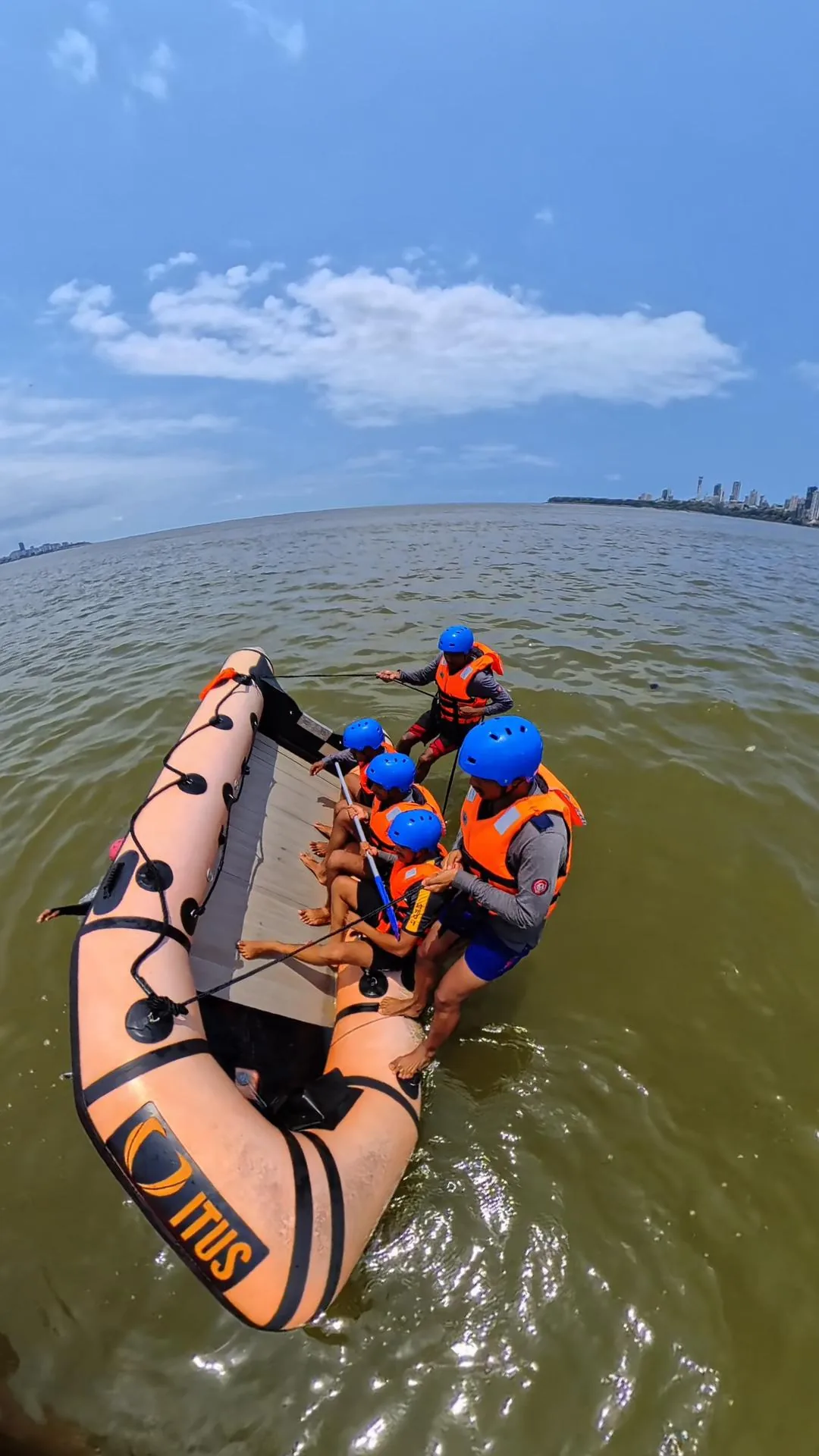
Flood rescue boat operations
Incident command systems for distributed response
Evacuation planning and shelter management
Communications resilience and backup systems
Community responder integration and safety
Medical first response in flood conditions
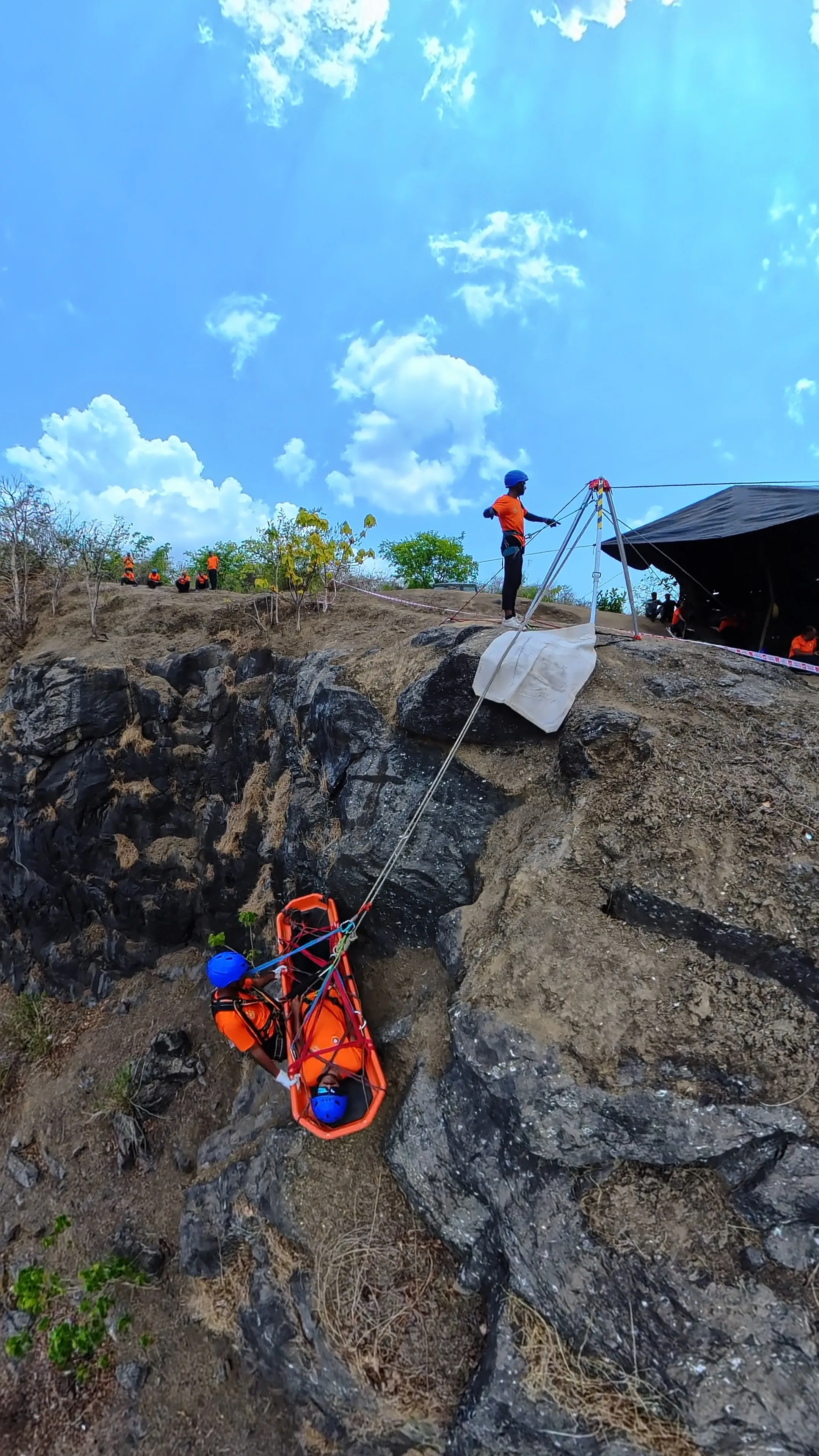
Search and recovery operations
3 THINGS TO REMEMBER
01
PREPARE BEFORE THE INCIDENT
Water rescue capability cannot be built during a flood. Investment in training, equipment and planning must happen before the emergency.
02
BUILD SPECIALIST CAPABILITY LOCALLY
Communities in flood-prone areas need locally trained water-rescue teams who can respond within the critical first hours.
03
TRAIN FOR COMPLEX CONDITIONS
Kerala showed that responders face swift water, submerged hazards, night operations, and exhausted populations simultaneously. Training must reflect this complexity.
SOURCES & REFERENCE NOTE
This case study is presented for training and preparedness analysis. Incident facts are based on publicly available government, institutional, technical and credible media sources. Where figures vary between sources, the page states that clearly. Unverified figures are not presented as confirmed facts.